Los Cabos, in One Answer
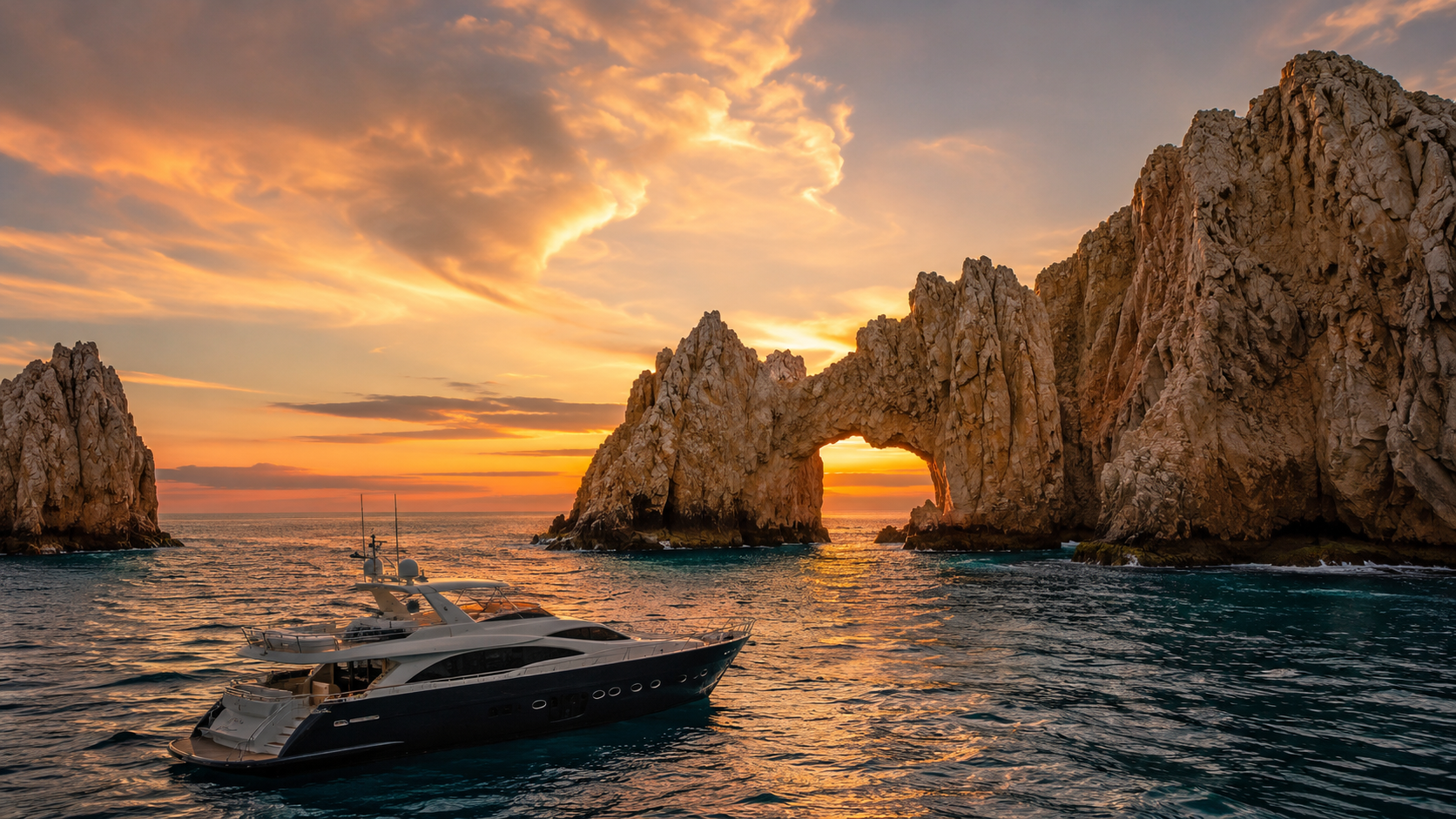
Los Cabos is the pair of resort towns at the very tip of the Baja California peninsula — where the Pacific Ocean meets the calm Sea of Cortez — and it is Mexico's polished, upscale beach escape, built for travelers who want desert-meets-ocean scenery, world-class golf and fishing, and real luxury just a short flight from California. It is two towns with one airport: Cabo San Lucas, the lively marina-and-nightlife hub crowned by the rock arch called El Arco, and San José del Cabo, the quieter, art-filled colonial town to the east, joined by a resort-lined highway called the Tourist Corridor. If your idea of Mexico is turquoise Caribbean sand and Maya ruins, Baja is the opposite: cactus-covered mountains dropping straight into two seas, whales offshore in winter, and some of the country's most sought-after coastal real estate. It suits the traveler — or second-home buyer — who wants sun, service, and a short hop from the U.S. West Coast.
Cabo San Lucas vs. San José del Cabo (and the Corridor)
The single most useful thing to understand is that the two towns feel completely different. Cabo San Lucas is the party end: a busy marina packed with yachts and fishing boats, buzzing beach clubs, big nightlife, and easy boat access to El Arco and the beaches around it. San José del Cabo, about 30 minutes east, is calmer and more cultured — a historic downtown with a colonial church, cobblestone streets, a celebrated Art Walk on Thursday evenings, galleries, and slower, boutique dining. Between them runs the Tourist Corridor (the Corredor), a roughly 20-mile stretch of highway lined with the region's grandest resorts, championship golf, and gated communities perched over the sea. Choose Cabo San Lucas for energy and convenience, San José for charm and quiet, or a Corridor resort to sit luxuriously in the middle.
El Arco and the Sea of Cortez
The natural icon of Los Cabos is El Arco de Cabo San Lucas (Land's End) — the wind-carved rock arch where the peninsula ends and the Pacific and the Sea of Cortez meet. You reach it by a short water-taxi or boat ride from the marina, passing Lovers' Beach and the sea-lion colony. The Sea of Cortez, which Jacques Cousteau called "the aquarium of the world," is why Baja's marine life is so rich: warm, protected water teeming with fish, rays, sea lions, and, in season, whales. It is calmer than the open Pacific side, so almost all the swimming beaches, snorkeling, and boat life cluster around this corner of the peninsula.
Golf, Fishing, and Whales
Los Cabos earns its luxury reputation on three signature experiences. Golf is world-class: designer courses along the Corridor drop down desert hillsides to the sea, and the region is one of Latin America's top golf destinations. Sport fishing is legendary — Cabo bills itself as the "Marlin Capital of the World," and boats head out daily from the marina for marlin, dorado, and tuna. And from roughly December through April, whale watching takes over: gray and humpback whales migrate into these waters to breed, and boat tours regularly see them breaching close to shore. That winter whale season overlaps with the driest, sunniest, most comfortable weather, which is why it is the region's peak.
Luxury, Real Estate, and the Fideicomiso
Los Cabos is one of Mexico's premium property markets, drawing buyers who want a beach or golf second home within easy reach of California. Expect a top-tier inventory: branded residences, oceanfront villas, and homes inside golf-and-marina communities along the Corridor and in gated enclaves like the ones near San José and Cabo San Lucas. Because Los Cabos sits on the coast, foreign buyers hold property inside the restricted zone (within about 50 km of the shoreline), which by Mexican law means buying through a fideicomiso — a bank trust in which a Mexican bank holds title on your behalf while you keep full rights to use, rent, sell, or pass on the property. It is standard, secure, and used for essentially every foreign coastal purchase in Mexico. The takeaway: owning here is very achievable for foreigners, but it runs through a legal structure worth understanding before you sign.
Close to California
A big part of Baja's appeal is simple geography. Los Cabos is a short, direct flight from California and the U.S. Southwest — often just a couple of hours from Los Angeles, San Diego, or Phoenix — and it draws large, established communities of American and Canadian visitors and second-home owners. That proximity shows up everywhere: widely spoken English, U.S. dollars accepted almost everywhere, and an easy long-weekend rhythm the Caribbean coast cannot match for West Coast travelers. For many Californians, Los Cabos is less a far-off vacation than a weekend beach house across the border.
How to Get There (SJD)
You fly into Los Cabos International Airport (SJD), just north of San José del Cabo. It is the region's main gateway, with heavy direct service from the western U.S., Canada, and mainland Mexico. From SJD it is about 15–20 minutes to San José del Cabo and 40–45 minutes down to Cabo San Lucas. Pre-arranged private transfers are the smoothest way in; rental cars make sense if you plan to explore the wider peninsula.
FAQ
Should I stay in Cabo San Lucas or San José del Cabo? Cabo San Lucas for marina life, nightlife, and El Arco access; San José del Cabo for a quieter, arty colonial town. A Tourist Corridor resort sits between the two.
When is the best time to visit Los Cabos? Roughly December through April: dry, sunny weather that overlaps with whale-watching season. Summer and early fall are hotter and fall in the Pacific hurricane window.
Can foreigners buy property in Los Cabos? Yes. Because it is coastal (restricted zone), foreign buyers purchase through a fideicomiso — a Mexican bank trust that holds title while you retain full ownership rights.
What airport do I fly into? Los Cabos International (SJD), just north of San José del Cabo — about 15–20 minutes from San José and 40–45 minutes from Cabo San Lucas.
---
Los Cabos rewards a little local guidance — knowing which town fits your trip, which Corridor resort or community suits you, when the whales arrive, and how the fideicomiso works if you fall for a villa and want to stay. That is Kev's role: a bilingual guide and advisor for travelers and buyers across Baja and Mexico, matching you to the right base, timing your visit, and walking you honestly through what owning here really involves. When you want the tip of Baja shown to you clearly, Kev Living is where to start. Reach out — we answer in your language, at your pace.