The Best Cenotes Near Tulum and Playa del Carmen, in One Answer
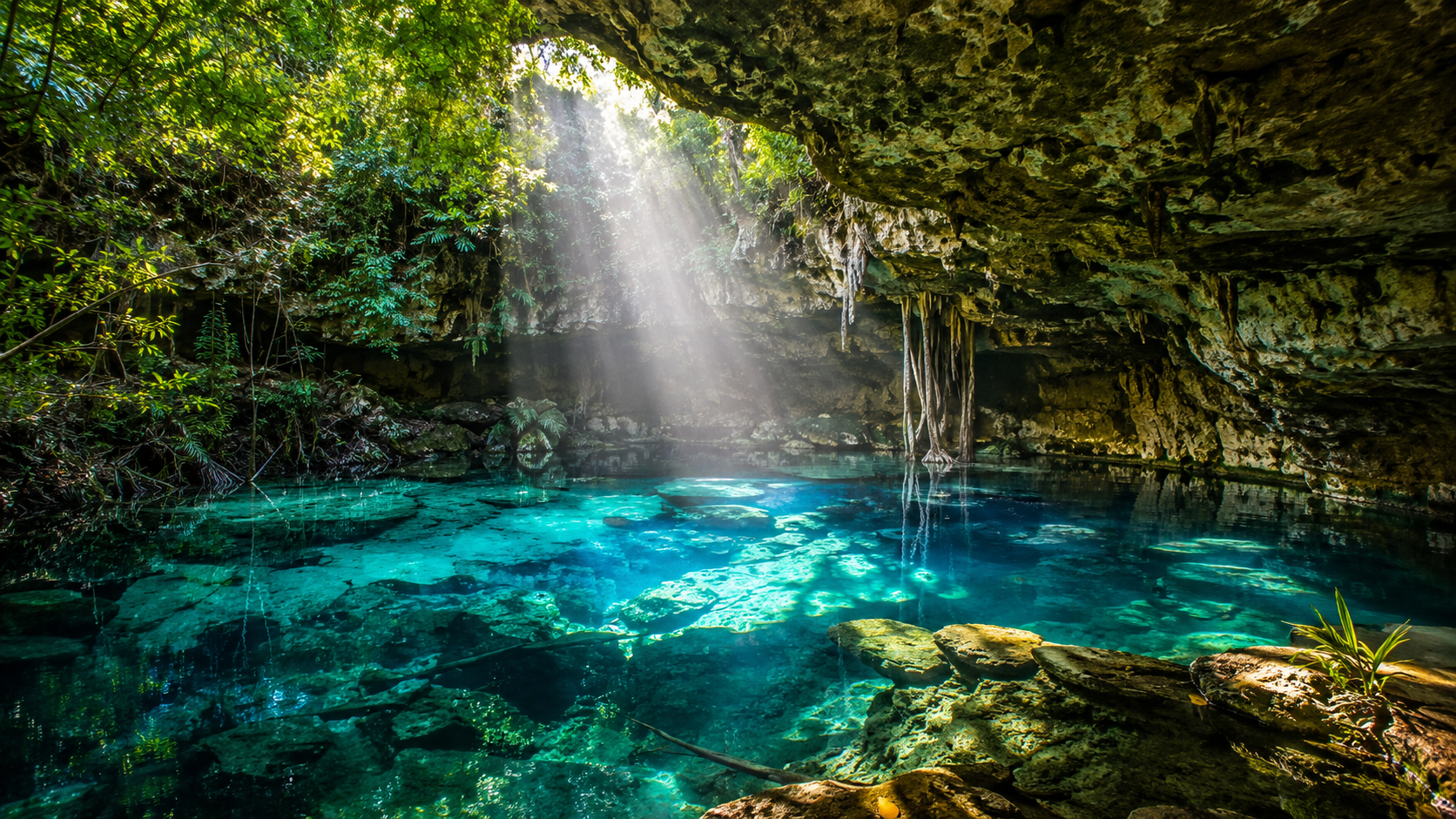
A cenote is a natural freshwater sinkhole where the limestone roof of an underground river has collapsed, opening a window into some of the clearest water on Earth — and the best ones near Tulum and Playa del Carmen are Gran Cenote and Casa Cenote for easy swimming, Cenote Azul and Cristalino for photos and gentle floating, and Dos Ojos and Calavera for adventure and diving. Say it seh-NOH-teh. The Yucatán holds thousands of them, and this stretch of coast has the most beautiful and accessible anywhere. The best news for a traveler: you do not have to choose perfectly. They sit close together along the same highway, and even the "wrong" cenote on a hot afternoon is one of the best swims of your life. Below is how to pick the right one for your day.
For Beginners and Families: Gran Cenote and Casa Cenote
If it is your first cenote or you have kids in tow, start here. Gran Cenote, a short drive from Tulum town, is the crowd favorite for good reason — turquoise pools linked by wooden walkways, small caves you can float into, and resident turtles gliding beneath you. It is the friendliest place to try snorkeling, with calm, shallow edges for nervous swimmers, and it is just as loved by divers heading into its caverns. Bring a mask and you will happily lose an hour watching light beams cut through the water.
Casa Cenote, about 15 minutes north of Tulum, is the relaxed family pick. Instead of an enclosed sinkhole, it is an open, mangrove-lined channel of brackish water where you can rent a kayak or paddleboard and drift along at your own pace. Shallow, sunlit, and easygoing, it is perfect for little swimmers and anyone who wants scenery without a ladder or a leap.
For Swimming and Photos: Cenote Azul and Cristalino
Just south of Playa del Carmen, roughly halfway to Tulum, sit two roadside beauties made for a relaxed swim and a great camera roll. Cenote Azul stretches about 600 feet across, with several open, shallow sections where you can wade in slowly, let tiny fish nibble your toes, and float in that impossibly blue water. It is easy to reach and easy to enjoy for all ages.
Cenote Cristalino, next door, lives up to its name — crystal-clear water framed by jungle, with a small cliff jump and a semi-cave section for a touch of drama. The light here is spectacular in the morning, making both cenotes a favorite for photos before the deeper adventures.
For Adventure and Diving: Dos Ojos and Calavera
Ready for something wilder? Dos Ojos — "Two Eyes" — is part of the vast Sac Actun system, one of the longest underwater cave networks on the planet. Its pair of linked semi-cave pools are stunning even at the surface, with glassy caverns and formations overhead, and for certified divers it is a bucket-list cavern-and-cave dive with local guides. It sits right off the highway, easy to reach from either town.
Cenote Calavera, nicknamed the "Temple of Doom," is the adrenaline pick near Tulum — a round sinkhole with three openings in the ground, reached by ladder or by a leap from the edge for the brave. Deeper and more open, it draws cliff-jumpers and divers who want a raw, undiscovered feel and smaller crowds.
How to Visit Cenotes: Hours, What to Bring, and Being Kind to Them
Most cenotes open around 8 or 9 a.m., and the single best trip-planning tip is simple: arrive early. The first hour means fewer people and noticeably clearer, calmer water before the day stirs it up. Bring a swimsuit, a towel, water, and cash for the entry fee, plus water shoes if you have them.
The most important rule of all: use only biodegradable sunscreen — or better, none at all — and rinse off before you get in. Regular sunblock and bug spray poison these fragile freshwater systems and the underground rivers they feed. Touch no formations, take nothing, and leave no trace. These places are sacred to the Maya and irreplaceable.
FAQ
What is a cenote? A cenote is a natural freshwater sinkhole formed when porous limestone collapses over an underground river, exposing crystal-clear water. The Yucatán is famous for having thousands of them.
Which cenotes are best near Tulum and Playa del Carmen? Gran Cenote and Casa Cenote for beginners and families, Cenote Azul and Cristalino for swimming and photos, and Dos Ojos and Calavera for adventure and diving.
What time should I arrive at a cenote? Get there right at opening, around 8–9 a.m. Early means fewer crowds and clearer, calmer water — the difference is dramatic.
Can you swim, snorkel, and dive in cenotes? Yes to all three. Most allow swimming and snorkeling, and Dos Ojos and Calavera offer guided cavern and cave diving for certified divers.
---
Cenotes are the kind of thing that make people fall for this coast and quietly start wondering what it would be like to stay a while. Kev has spent years living between Tulum and Playa del Carmen — the local who knows which cenote fits your morning, which stretch of coast fits your pace, and how the whole region really works beyond the postcards. If you want honest, on-the-ground guidance from someone who calls this place home, say hello here.